
Last Updated on May 3, 2026 by morninghomestead
Pest problems are recurring across St. Louis, right from historic areas like Soulard to new builds in Wildwood. As a homeowner, you cannot depend on standard store products, as the results are superficial and do not last. Because the city is close to the Mississippi and Missouri River basins, infestations here are triggered by humidity. DIY doesn’t consider these hyper-local aspects, leaving your home prone to seasonal surges.
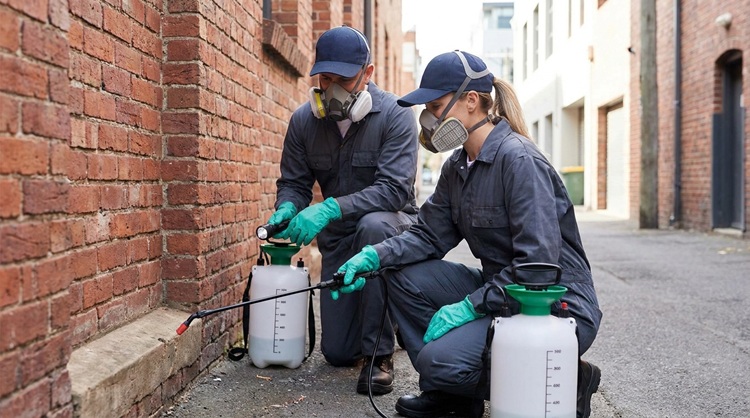
Hiring a professional service in St. Louis, such as Pointe Pest Control, ensures you have a proactive barrier against infestations. You can check their services at Pointepestcontrol.com, but before that, check how technicians from Pointe differ in their approach when compared to DIY.
Targeted Biology
When you choose DIY, you use generic and often low-quality sprays and products that kill pests on contact but do nothing to stop the source of the infestation. Professionals, on the other hand, use approved products that are designed for specific Missouri pests, such as baits for subterranean termites and exclusion for brown recluse spiders. Professionals understand the reasons behind the pest’s presence, allowing them to eliminate the colony rather than just the visible ones.
Exclusion First
DIY usually focuses on spraying baseboards or foundations. Given the humid, rainy climate in St. Louis, these products wash away quickly. As a result, homeowners keep repeating the same steps, only to fail again. Professionals focus on physical exclusion, using copper mesh and other sealants that last even through local weather shifts.
Identifying Hidden Zones
One of the issues with DIY measures is the focus only on areas where pests are seen, such as kitchens and bathrooms. However, pests live in hidden zones, often deep inside voids and spaces like attics. Technicians will usually start with a complete inspection to locate the areas that harbor infestation. They don’t treat only singular areas but zones where populations thrive.
Managing the Pest Drift
In urban areas, treating your home as a closed system will not help. If you don’t consider aspects like attached row-houses, shared plumbing, or common brick wall voids, you will never fix the underlying infestation. Professionals understand this pest drift phenomenon in St. Louis and how to apply barriers at access points and shared wall junctions to prevent problems from migrating between neighboring properties.
Treatment for the Climate
DIY products are rarely designed with aspects like immediate weather or seasonal cycle in consideration. Professional plans, on the other hand, are mapped to the local climate, ensuring the defense shield is applied before seasonal surges. Technicians will check aspects like rodent migration in the fall and termite swarming in spring. Professionals adjust their formulations to ensure durability despite the high UV exposure and humidity spike common in St. Louis.
Addressing Foundation Risks
When a homeowner tries DIY remedies, they use the same spray, regardless of the foundation type. Experts also customize the barrier based on the home’s construction. For instance, the cracks in limestone foundations are treated differently when compared to degraded mortar in older homes.
Cost Benefits
DIY may appear cheaper, but it can be expensive in the long run due to repeated, ineffective purchases. Without professional work, there is a risk that pests like termites go unnoticed, which can require costly repairs. Professionals can offer ongoing plans that include preventive steps to help stop an infestation. You don’t need to pay the 4x on urgent services and can protect the resale value of your property.
Takeaways
When it comes to pest control in St. Louis, you need to depend on experts for their knowledge and access to products and equipment. DIY doesn’t come with a guarantee, so if the pests remain, you lose both time and money. Professional services include guarantees, and you can get repeat services for sudden pest problems.